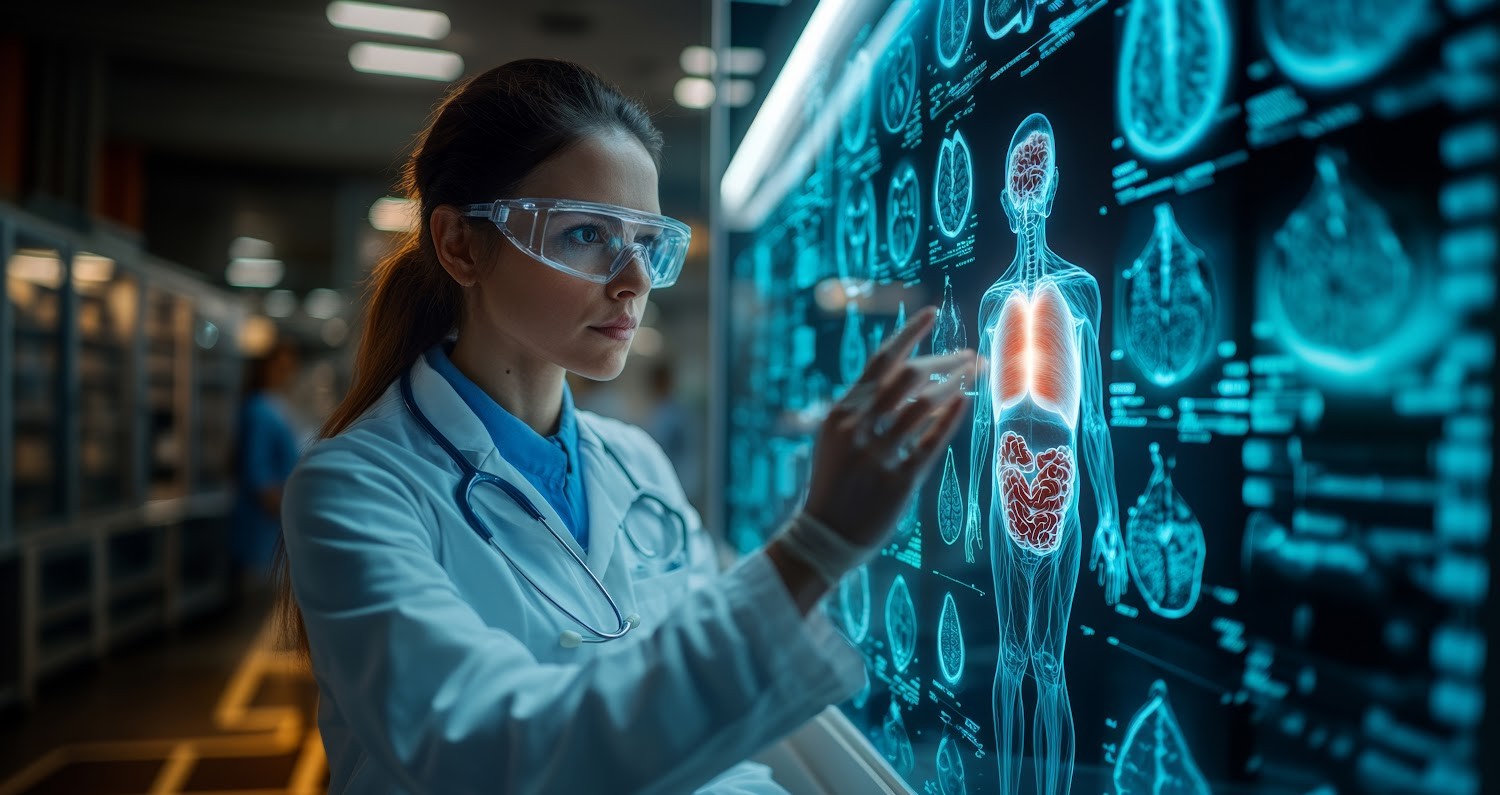
The last time you had an electrocardiogram, artificial intelligence almost certainly read it before your physician did. AI has been interpreting ECGs for more than two decades, quietly flagging abnormal rhythms, identifying early signs of heart disease, and prioritizing urgent findings in ways no single clinician could replicate at scale. If you did not know that, you are not alone — and there is more.
A few topics generate more confusion in medicine right now. Some patients worry it means less time with their doctor. Others trust it too readily. The reality is less alarming than either response suggests.
Every physician in practice today was trained to recognize patterns in symptoms, imaging, and electrocardiogram rhythms. Pattern recognition, built over years of training, is at the core of clinical judgment. Artificial intelligence does something similar yet different: it finds patterns across millions of data points simultaneously, at speeds no individual physician could match. And just as with physicians, the detected pattern is not always correct.
WHAT AI CAN DO — AND WHAT IT HAS BEEN DOING FOR 20 YEARS
As noted, cardiac monitoring is where AI has the longest track record in clinical medicine. Given the algorithmic nature of ECG interpretation, findings are nearly always correct when normal, but abnormal results still require human adjudication. The technology does not replace the cardiologist, but it ensures that abnormal results reach a clinician immediately and consistently, without the fatigue of a busy reviewer.
Beyond cardiac monitoring, AI is reshaping how new medications are discovered. Identifying a viable drug candidate traditionally required years of laboratory screening. AI can now analyze molecular structures and predict biological interactions across millions of compounds in a fraction of that time.
In 2024, AlphaFold 3 demonstrated this by predicting protein interactions with greater accuracy than any previous approach and by identifying new disease targets faster than conventional methods allow.
Medical imaging is where AI is headed next. Applications in mammography, CT scanning, and pathology are advancing rapidly, but the technology remains in its early stages in clinical practice. The potential is significant, but the science is not yet settled enough to be considered established.
WHAT AI DOES NOT DO, AND WHY THAT MATTERS
Earlier in my career as a medical toxicology consultant, patients sometimes arrived with a list of possible diagnoses from a Google search of their symptoms, usually long, alarming, and not particularly useful. AI does something similar — finding patterns across vast amounts of data — but with one critical difference: it does not hand the patient a frightening list. It hands the physician a prioritized one.
AI does not diagnose or treat. It flags patterns for physician review. The physician makes the clinical determination, integrates it with all known information about the patient, communicates findings, and discusses treatment options.
AI is also not infallible. Algorithms trained on incomplete data can produce biased or confidently wrong results, which is precisely why human oversight is not optional. It is required for any responsible use of AI in medicine, not an afterthought.
Patients sometimes worry that AI means their physician is no longer truly reviewing their results. In well-run systems, the opposite is true. AI handles preliminary pattern recognition, freeing the physician’s attention for interpretation, judgment, and conversation.
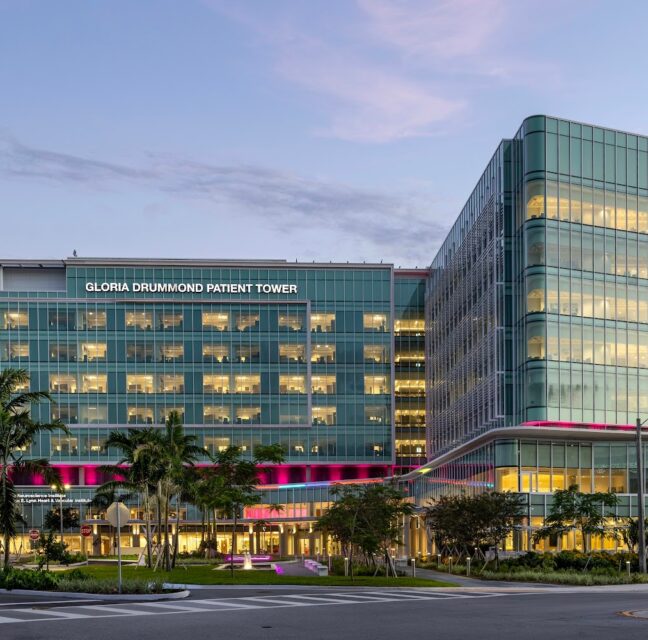
Medical students at Florida Atlantic University’s Schmidt College of Medicine in Palm Beach County are already learning to work alongside AI tools, not merely use them. The principle is straightforward: AI can be a powerful resource, like a textbook on steroids, but its output still requires synthesis and judgment from the treating physician. That same blend of human and machine is at work in our Department of Biomedical Sciences, where the FAU Amyloidosis Project harnesses AI to study a disease that affects multiple organ systems simultaneously, exactly the kind of complexity these tools are built for.
If you wonder whether, or more likely which, AI tools are involved in your care, ask your physician directly. It is a reasonable question, and an engaged physician will not only welcome it but also enjoy discussing it.
The physician-patient relationship is not something AI replaces. It gives physicians more time and better tools to honor it. That is the version of this technology worth understanding and worth asking about.
In the next column, we turn to something closer to home in Palm Beach County — and something that sends more people to the emergency room each summer than most realize. Heat illness is preventable, often misunderstood, and dangerous at any age. We will look at the warning signs, the medications that increase your risk, and what to do when the heat becomes a medical emergency.
BY:
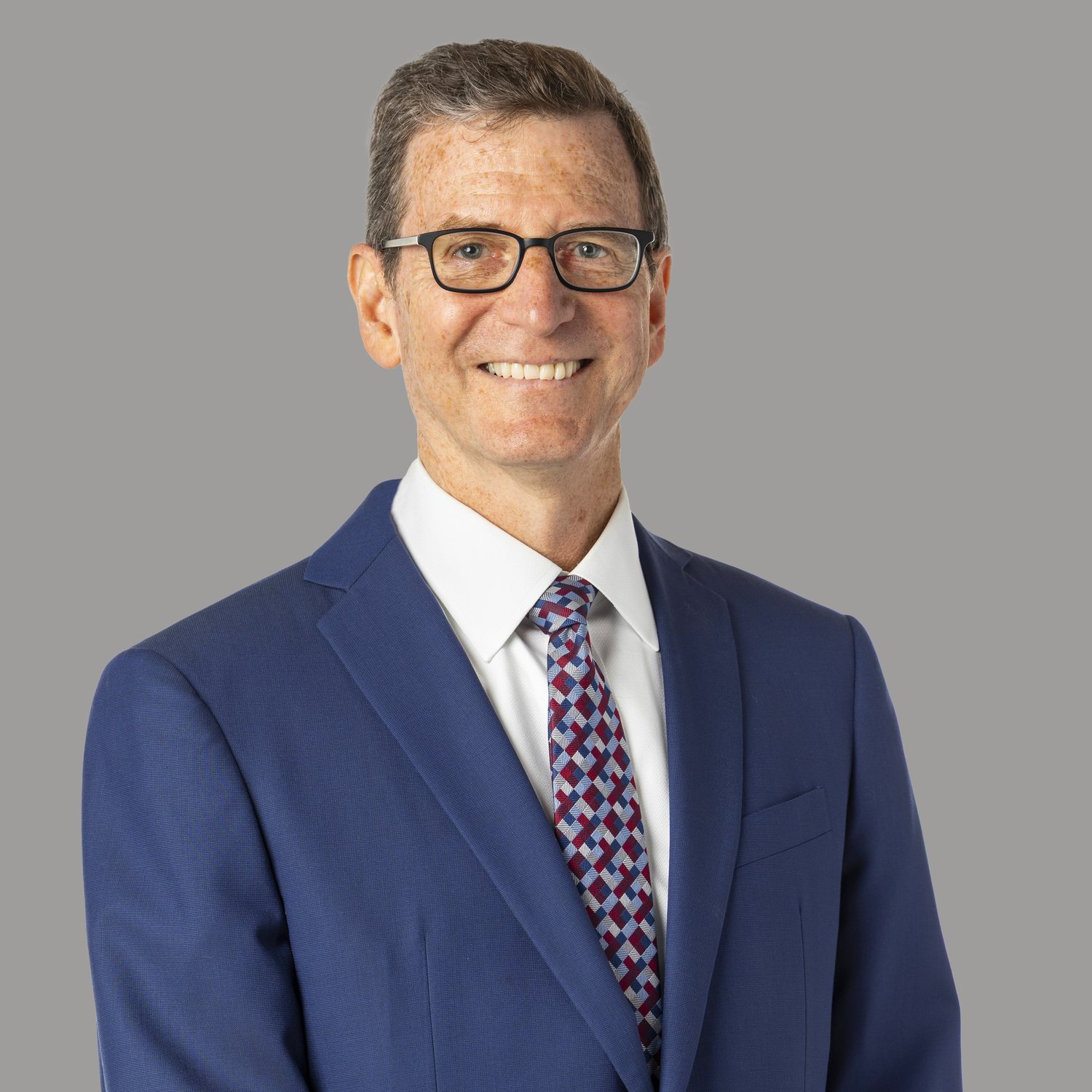
Lewis S. Nelson, MD, MBA, is Dean and Chief of Health Affairs at Florida Atlantic University’s Charles E. Schmidt College of Medicine, the only medical school in Palm Beach County. He is board certified in Emergency Medicine, Medical Toxicology, and Addiction Medicine, and is a co-editor of Goldfrank’s Toxicologic Emergencies, the definitive reference in the field.
Love what you're reading?
Get the best of Boca Raton and Delray Beach delivered to your inbox every month — local stories, events, and good news worth sharing.
Subscribe for Free